

When a disabled vehicle blocks a dark shoulder, your warning lights must identify the truck while your work lights reveal the recovery area without blinding approaching drivers. The 61 Inch Power-Link LED Warning Bar is the best overall TruckNTow tow truck light bar for operators who need amber warning, stop/tail/turn functions, and four integrated work lights; choose the 69-inch version for a wider installation or the 57-inch version when the shorter housing fits your truck better.
- The best tow truck light bar overall is the 61 Inch Power-Link LED Warning Bar, with four integrated work lights.
- Choose the 69 Inch Power-Link LED Warning Bar for a wider mounting location, after checking clearance.
- Choose the 57 Inch Power-Link LED Warning Bar for a shorter housing; it includes three work lights.
- TruckNTow night recovery lighting requires separate checks for warning visibility, work-area illumination, and rear signaling.
Why night recovery lighting matters
A warning bar and a work light solve different problems, even when both functions share one housing. Amber warning identifies your stopped truck, while work lighting helps you inspect attachment points, route equipment, and see the deck; neither function replaces the vehicle lighting required for transport.
For a 2026 truck build, select the lighting around your recovery sequence rather than the largest LED count. A bar that produces a visible warning signal but leaves the wheel lift in shadow does not finish the job, and a bright work light aimed toward traffic creates another problem instead of correcting the first.
TruckNTow sells trucking and towing accessories for working operators, but the right lighting configuration still depends on your truck, mounting position, and operating conditions. Start with the truck parked in its working configuration, because a raised boom, tilted deck, or loaded vehicle changes what other drivers can see.
Treat warning visibility, task illumination, and rear signaling as separate requirements, then choose equipment that satisfies each one. That distinction drives the ranking below and keeps a portable towing light kit from being mistaken for a recovery warning bar.
What makes the best tow truck light bar
The best tow truck light bar in 2026 fits the installation and provides the functions you actually use. These criteria place the mounting and operating requirements ahead of appearance:
- Warning function: Confirm that the bar provides the warning color and operating patterns permitted for your towing operation.
- Work lighting: Check the number, location, and control of the work lights, then evaluate the actual illuminated area rather than assuming output from LED count.
- Housing fit: Compare the stated bar length with usable mounting space, bracket placement, and clearance around the boom or headache rack.
- Rear signaling: Determine whether stop/tail/turn functions are needed at the bar and how they connect to the truck's lighting circuits.
- Installation and controls: Review the wiring instructions, power requirements, and switch layout before committing to the installation.
- Inspection access: Choose a position that allows cleaning, fastener checks, and inspection of wiring without interfering with recovery equipment.
Tow truck light bars at a glance
| Warning bar | Best for | Standout equipment | Key limitation |
|---|---|---|---|
| 61 Inch Power-Link LED Warning Bar | General night recovery builds | 94 strobe/arrow LEDs, 2 STT, 4 LED work lights | Requires clearance for a nominal 61-inch housing |
| 69 Inch Power-Link LED Warning Bar | Wider mounting locations | 102 strobe/arrow LEDs, 2 STT, 4 LED work lights | Longest housing in this comparison; no additional work lights over the 61-inch bar |
| 57 Inch Power-Link LED Warning Bar | Shorter mounting locations | 82 strobe/arrow LEDs, 2 STT, 3 LED work lights | One fewer integrated work light than either larger bar |
STT means stop/tail/turn. The stated LED counts describe equipment, not measured brightness, effective warning distance, or the size of the illuminated recovery area.
1. 61 Inch Power-Link LED Warning Bar: best for general recovery
The 61 Inch Power-Link LED Warning Bar combines amber warning with 94 strobe/arrow LEDs, 2 STT, and 4 LED work lights. Its product description identifies two-wire installation and an included Power-Link six-button control, giving you a defined control interface to review before installation.
This is the default choice because it provides the same listed work-light count as the longer 69-inch bar without requiring that longer housing. That does not establish equal beam coverage, and you should still confirm where the work lights point when the bar is mounted on your truck.
61 Inch Power-Link LED Warning Bar pros:
- Combines warning and work-light functions in one assembly.
- Includes four LED work lights for a build that needs integrated task lighting.
- Includes STT functions alongside the amber warning equipment.
- Includes the Power-Link six-button control identified in the description.
61 Inch Power-Link LED Warning Bar cons:
- Requires mounting space and bracket clearance for the nominal 61-inch housing.
- Its work-light count alone does not establish illumination at ground-level attachment points.
Best for: Operators specifying a primary roof or rack-mounted warning bar for general night recovery work, with fit and electrical compatibility confirmed.
Verdict: Buy the 61 Inch Power-Link LED Warning Bar when you need four integrated work lights and the housing fits your installation.
2. 69 Inch Power-Link LED Warning Bar: best for wider installations
The 69 Inch Power-Link LED Warning Bar provides amber warning with 102 strobe/arrow LEDs, 2 STT, and 4 LED work lights. Its description also identifies two-wire installation and the included Power-Link six-button control.
Choose the 69 Inch Power-Link LED Warning Bar when your mounting location accommodates the longer housing and its layout suits the truck. Do not choose it solely because the LED count is higher, since the listed specifications do not provide a measured brightness comparison against the other bars.
69 Inch Power-Link LED Warning Bar pros:
- Provides the widest nominal housing in this comparison.
- Combines strobe/arrow warning equipment with STT functions.
- Includes four integrated LED work lights.
- Includes the same named control interface as the other Power-Link options here.
69 Inch Power-Link LED Warning Bar cons:
- Requires more lateral mounting clearance than the other listed bars.
- Provides no increase in listed work-light count over the 61-inch version.
Best for: Operators with a wider, unobstructed mounting location who have verified the longer housing against their brackets and equipment movement.
Verdict: Buy the 69 Inch Power-Link LED Warning Bar for a verified wide installation; skip the size increase when it does not solve a mounting or layout requirement.
3. 57 Inch Power-Link LED Warning Bar: best for shorter installations
The 57 Inch Power-Link LED Warning Bar provides amber warning with 82 strobe/arrow LEDs, 2 STT, and 3 LED work lights. Its description identifies two-wire installation and the Power-Link six-button control, matching the installation approach described for the larger bars.
The shorter housing makes the 57 Inch Power-Link LED Warning Bar the fit-led choice in this comparison, not a lesser version by default. Its practical trade-off is the three-work-light configuration, which you must assess against the shadows created by the truck body and recovery equipment.
57 Inch Power-Link LED Warning Bar pros:
- Uses the shortest nominal housing among these three options.
- Combines amber warning, STT, and work lighting.
- Includes three integrated LED work lights.
- Includes the named Power-Link control interface.
57 Inch Power-Link LED Warning Bar cons:
- Includes one fewer work light than either larger bar.
- A shorter housing does not guarantee compatibility with your mounting brackets.
Best for: Operators whose available mounting space favors a shorter bar and whose task-lighting plan works with three integrated work lights.
Verdict: Buy the 57 Inch Power-Link LED Warning Bar when the shorter housing solves your fit requirement and its work-light layout covers your tasks.
How the ranking works
The ranking prioritizes listed functions and installation fit, not an unverified brightness claim. The 61-inch bar is the default because it combines four work lights with a shorter housing than the 69-inch option, while the other two choices serve distinct mounting requirements.
For your 2026 equipment specification, compare the actual product instructions and mounting drawings before ordering. These TruckNTow tow truck light bars are ranked by their stated equipment; their LED counts are not substitutes for photometric data or an installed visibility check.


Compatibility: check the truck before selecting the bar
Nominal housing length is only the starting measurement, because mounting feet, brackets, and cable routing determine whether the installation works. Compare the manufacturer's mounting information with the usable support surface, then check clearance with the deck and boom through their operating positions using your normal safe equipment procedures.
Separate the fit check into Mounting space, Equipment clearance, Electrical supply, and Control access. A bar belongs on the truck only after all four checks pass, and the electrical check must include the manufacturer's voltage, current, circuit protection, and wiring requirements rather than an assumption based on the phrase two-wire installation.
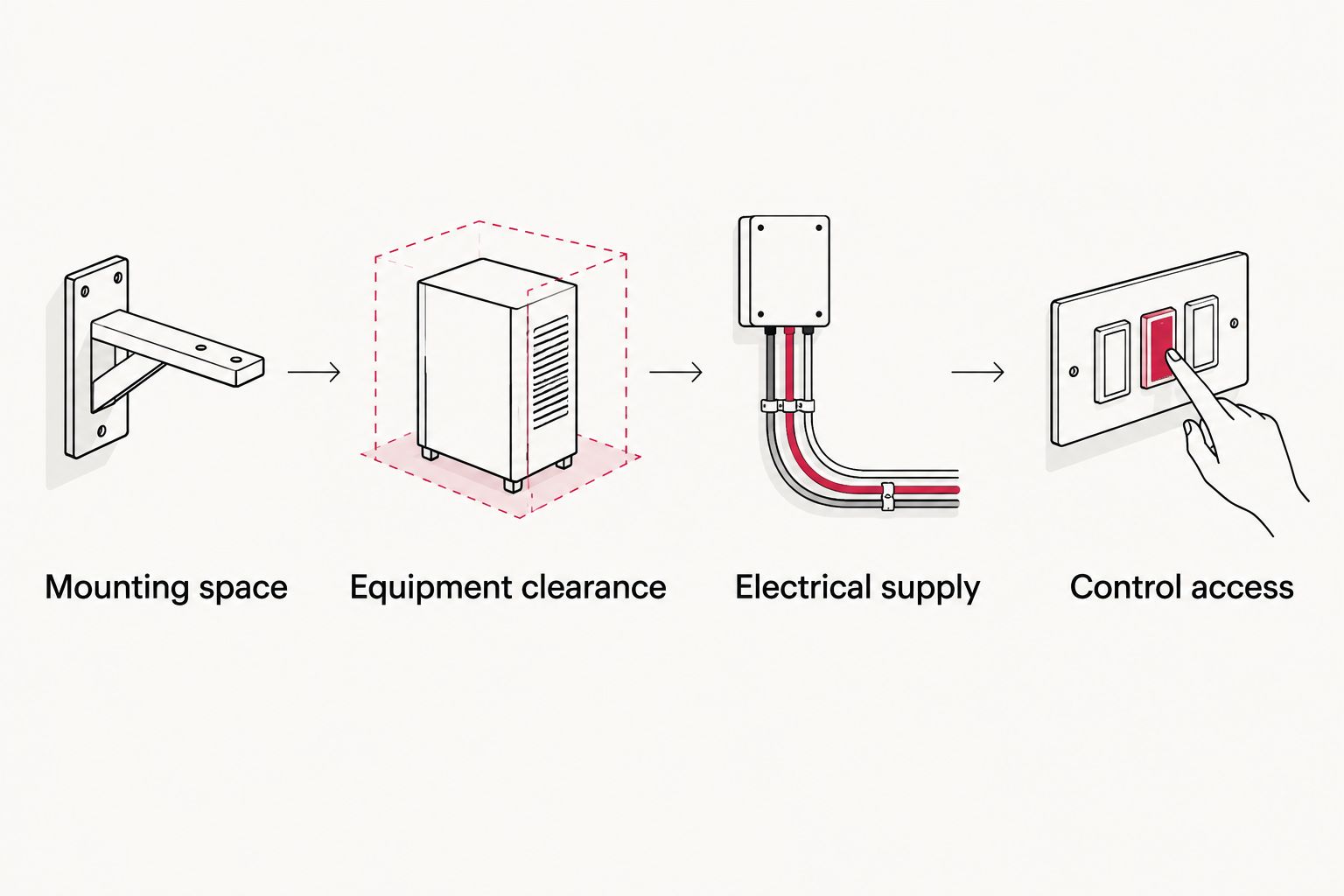
The control panel must remain accessible from the normal driving position without requiring you to search through similar switches. Verify how warning patterns, work lighting, and any STT connections operate together, because a supplied control panel does not eliminate the need to understand each function.
The VULCAN Wireless LED Tow Light Kit serves a separate towing-lighting role: its description identifies cable-free operation and stop, turn, running, and license plate lights. Best for: A towing setup requiring those rear-signaling functions, subject to the kit's instructions and applicable requirements; its benefit is cable-free signaling, while its limitation is that it does not replace a warning bar or recovery-area work lighting.
Safety and maintenance for night recovery
For 2026 roadside operations, check the rules governing warning-light colors, patterns, and use in every jurisdiction where you work. Amber equipment does not establish automatic permission for every operating situation, and a product's warning function does not replace scene-management procedures or required vehicle lamps.
Before dispatch, test each function separately, then test the combinations used during a recovery. Inspect the warning signal from relevant approach directions in a protected area, and assess the work lights from the attachment points where you stand rather than from the cab alone.
Use this inspection sequence:
- Warning visibility: Look for obstruction by the boom, headache rack, load, or other equipment.
- Task lighting: Check the deck, wheel-lift area, and connection points for shadows.
- Glare control: Aim task lighting at the work area rather than approaching drivers or the operator's eyes.
- Mounting security: Inspect brackets and fasteners using the manufacturer's installation requirements.
- Electrical condition: Look for abrasion, loose connections, exposed conductors, and damaged seals.
- Control response: Confirm that each selected function operates as intended.
Keep lenses clean using the manufacturer's approved method, because dirt and road spray interfere with the light leaving the lens. Do not direct aggressive cleaning methods at seals or electrical connections unless the instructions permit them, and investigate condensation, damaged lenses, or intermittent operation before relying on the equipment.
Record defects in your normal inspection process and correct them before the truck returns to affected work. A 2026 fleet lighting standard should specify inspection responsibilities and function checks, not just a preferred bar model.
Choose the 61 Inch Power-Link LED Warning Bar as the default, but let clearance and installed lighting performance decide the final configuration. One last installation check earns its time: inspect the scene with the truck in its working position, since equipment that is unobstructed in transport can block light during recovery.
FAQ
What's the best tow truck light bar for night recovery in 2026?
The 61 Inch Power-Link LED Warning Bar is the best overall choice in this comparison for a truck that accommodates its housing. It combines 94 strobe/arrow LEDs, 2 STT, and 4 LED work lights; confirm mounting and electrical compatibility before selecting it.
Is the 69-inch Power-Link bar better than the 61-inch bar?
The 69 Inch Power-Link LED Warning Bar is the better fit-led choice when your installation calls for a wider housing. Both list four work lights, so the larger bar does not add another work light, and LED count alone does not establish greater brightness.
When should I choose the 57-inch Power-Link warning bar?
Choose the 57 Inch Power-Link LED Warning Bar when its shorter housing suits your mounting location. It includes three work lights, so assess whether their installed layout illuminates your recovery tasks.
Does an amber warning bar replace tow lights?
An amber warning function does not replace required stop, turn, tail, or other vehicle lighting. Some bars include STT functions, but you must verify their connections and whether the complete installation satisfies applicable requirements.
Can I use a wireless towing light kit instead of a recovery bar?
A wireless towing light kit is not a substitute for a recovery warning bar. The VULCAN Wireless LED Tow Light Kit lists stop, turn, running, and license plate lights, which serve a different role from amber warning and task illumination.
Does more LEDs mean a brighter tow truck light bar?
LED count alone does not establish usable brightness or warning effectiveness. Compare documented light performance, viewing coverage, and the installed position rather than treating the count as a brightness measurement.
What should I inspect before using a light bar at night?
Inspect warning operation, work-light coverage, mounting security, wiring condition, and control response before dispatch. Check for obstruction and glare with the truck arranged for the work you will perform.
Related guides
- How to mount a light bar on a tow truck roof
- How to wire a light bar into a truck's electrical system
- Work lights for tow truck night operations
Shop the full line at TruckNTow, and confirm the mounting and wiring requirements before your next night recovery. Specify the right functions, verify the installation, and put the truck to work with its lighting checked.